Introduction
Managing an HVAC insulation project involves much more than installing materials on ducts and pipes. Behind every successful project is a well-structured plan that balances costs, labor, timelines, and quality standards.
Whether working on commercial buildings, industrial facilities, or residential developments, effective project management is essential to ensure that insulation systems are installed efficiently, safely, and within budget.
1. Defining Project Scope
The first step in any insulation project is clearly defining the scope of work. This includes:
- Types of systems to be insulated (ductwork, chilled water, hot water, condensate lines)
- Materials to be used
- Project size and complexity
- Site conditions
A well-defined scope prevents misunderstandings and sets clear expectations for all stakeholders.
2. Accurate Cost Estimation
Cost estimation is one of the most critical aspects of project management. It involves calculating:
- Material costs (fiberglass, elastomeric foam, jacketing, adhesives)
- Labor costs
- Equipment and tools
- Transportation and logistics
Underestimating costs can lead to financial losses, while overestimating may make bids less competitive. Accurate estimates require both technical knowledge and experience in the field.
3. Workforce Planning
Having the right team is essential. Project managers must determine:
- The number of workers required
- Skill levels needed (installers, supervisors, specialists)
- Work schedules and shifts
Efficient workforce planning ensures that the project progresses without delays while maintaining high-quality standards.
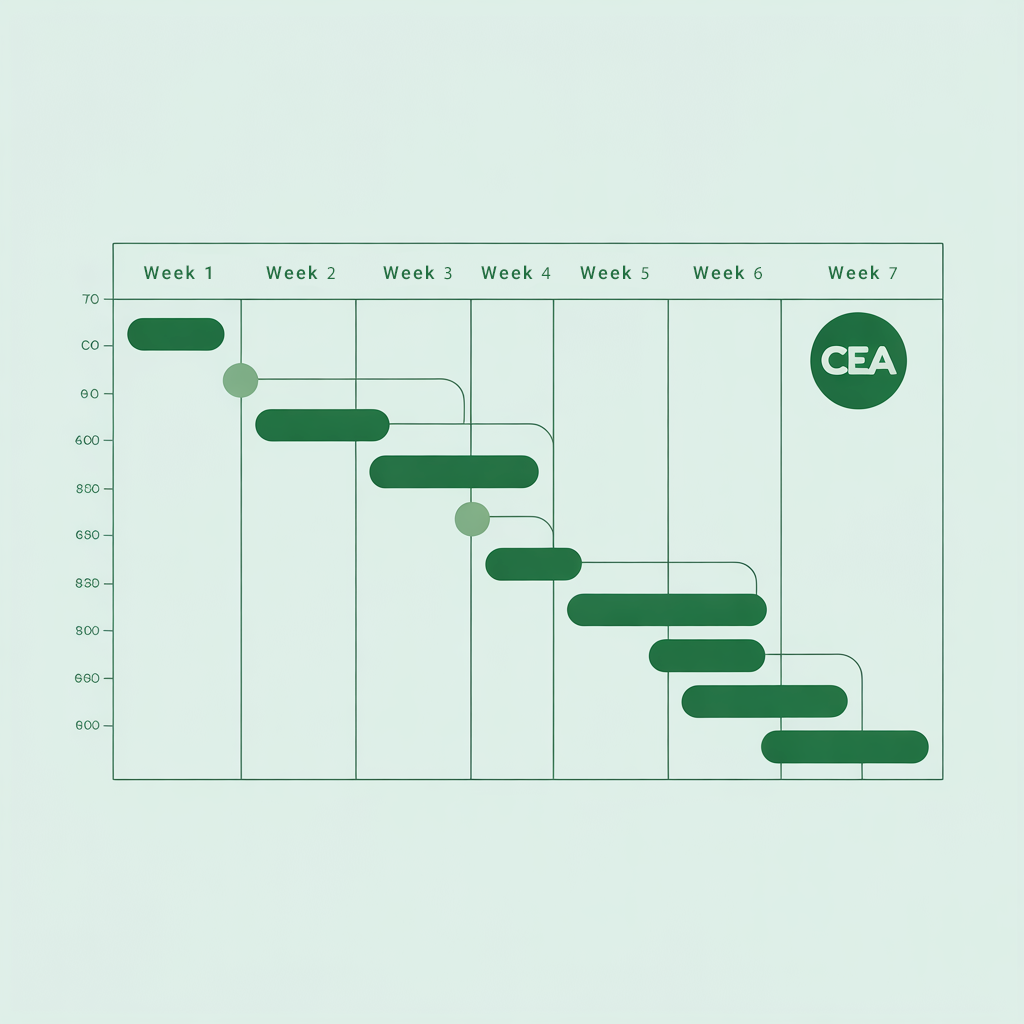
4. Scheduling and Time Management
Time is a key factor in construction projects. Insulation work is often coordinated with other trades, such as HVAC installation, plumbing, and electrical.
A good project schedule should:
- Define clear milestones
- Coordinate with other contractors
- Allow flexibility for unexpected delays
- Include realistic completion timelines
Proper scheduling minimizes downtime and keeps the project on track.
5. Material Selection and Procurement
Choosing the right materials is crucial for system performance. Project managers must consider:
- Thermal requirements (R-value)
- Moisture resistance
- Fire ratings
- Durability
In addition, timely procurement ensures that materials are available when needed, avoiding costly delays.
6. Quality Control
Maintaining quality standards is essential for long-term system performance. This includes:
- Inspecting insulation installation
- Ensuring proper sealing of joints and seams
- Verifying compliance with project specifications
Quality control not only ensures efficiency but also reduces the need for rework.
7. Safety Management
Safety should be integrated into every stage of the project. This includes:
- Implementing OSHA guidelines
- Conducting daily safety briefings
- Providing proper PPE
- Monitoring job site conditions
A safe project is a successful project.
8. Communication and Coordination
Effective communication between all parties—contractors, project managers, and clients—is critical.
Regular updates help:
- Address issues early
- Align expectations
- Ensure smooth coordination with other trades
Miscommunication is one of the leading causes of project delays and errors.
Conclusion
Successful HVAC insulation projects require more than technical expertise—they demand strong project management. From defining scope and estimating costs to managing teams and ensuring quality, every step plays a vital role in the final outcome.
By focusing on planning, organization, and communication, insulation contractors can deliver projects that are efficient, safe, and aligned with client expectations. In a competitive industry, strong project management is what sets professional companies apart.