Introduction
In the HVAC insulation industry, where professionals work with mechanical systems, elevated structures, and specialized materials, safety is not optional—it is essential. One of the most effective ways to maintain a safe work environment is through daily safety and health briefings, often referred to as “toolbox talks.”
These short, focused meetings conducted before the start of each workday play a critical role in preventing accidents, improving communication, and reinforcing a culture of safety on job sites involving ductwork and mechanical piping systems.
What Are Daily Safety Briefings?
Daily safety briefings are short meetings—typically 10 to 15 minutes—held before work begins. During these sessions, supervisors and team members review:
- The tasks planned for the day
- Potential hazards associated with those tasks
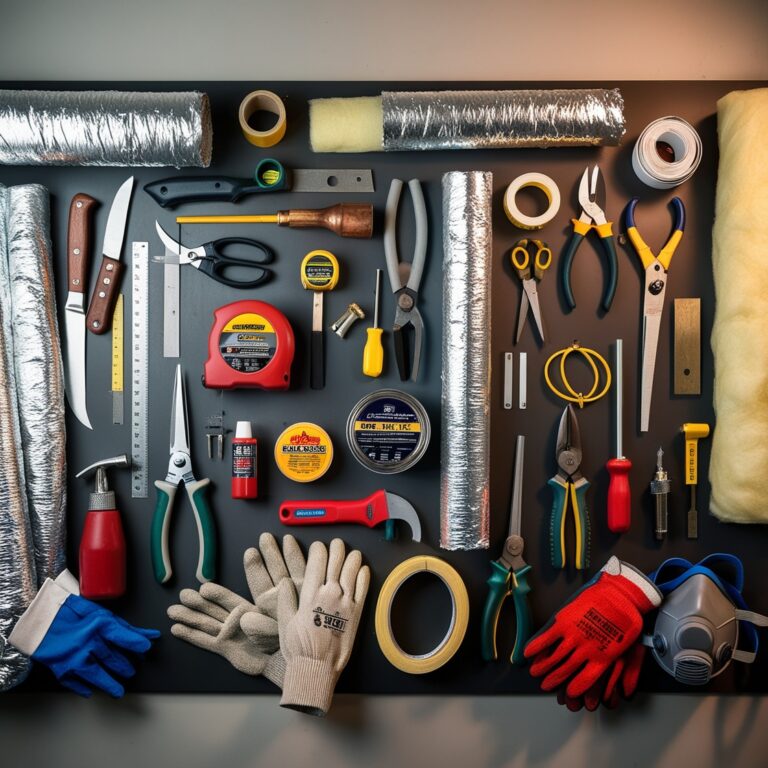
- Required personal protective equipment (PPE)
- Site-specific safety considerations
In HVAC insulation projects, where conditions can vary daily depending on the stage of construction, these briefings are especially important.
Why Are Safety Briefings Essential in HVAC Insulation Work?
1. Hazard Awareness and Prevention
Each day presents new risks. Insulating ductwork and piping systems may involve:
- Working at heights (ladders, lifts, scaffolding)
- Handling sharp tools and cutting insulation materials
- Exposure to dust, fibers, and adhesives
- Navigating tight mechanical rooms or confined spaces
Daily briefings ensure that workers are aware of these hazards before they begin, significantly reducing the risk of accidents.
2. Reinforcing OSHA Compliance
Safety briefings help reinforce OSHA standards and company safety policies. Even when workers are already certified, daily reminders ensure that safety practices are consistently applied.
Topics may include:
- Proper use of PPE
- Fall protection requirements
- Safe handling of insulation materials
- Lockout/tagout procedures when working near active systems
3. Improving Team Communication
Clear communication is critical on any job site. Daily briefings create a space where:
- Supervisors can assign tasks clearly
- Workers can ask questions or raise concerns
- Teams can coordinate around shared work areas
This is especially important in projects where multiple trades are working simultaneously.
4. Increasing Productivity
It may seem counterintuitive, but taking time for a safety meeting actually improves efficiency. When workers understand the plan and potential risks:
- There are fewer interruptions
- Mistakes are reduced
- Work flows more smoothly
A well-informed team works faster and more confidently.
5. Building a Culture of Safety
Consistency is key. When safety briefings become part of the daily routine, they help build a culture where:
- Safety is prioritized by everyone
- Workers feel responsible for themselves and their teammates
- Risk awareness becomes second nature
This culture not only protects workers but also strengthens the company’s reputation.
Key Topics for HVAC Insulation Safety Briefings
For insulation projects involving ducts and mechanical piping, effective briefings often include:
- Ladder and scaffold safety
- Proper cutting techniques for insulation materials
- Handling fiberglass and other irritants
- Preventing condensation-related hazards (wet surfaces, slips)
- Working in confined mechanical spaces
- Housekeeping and debris control
Best Practices for Effective Safety Briefings
To maximize their impact, safety briefings should be:
- Short and focused (10–15 minutes)
- Relevant to the day’s tasks
- Interactive, encouraging worker participation
- Consistent, held every day without exception
Supervisors should also document these meetings to maintain compliance and track safety efforts.
Conclusion
Daily safety and health briefings are a simple yet powerful tool in HVAC insulation projects. They help prevent accidents, improve communication, ensure compliance, and foster a strong safety culture.
In an industry where workers face physical risks every day, taking a few minutes each morning to align the team can make the difference between a successful project and a costly incident. Investing in safety is ultimately an investment in people, performance, and long-term success.